Wondering if you need to pour tens of thousands into an older Fairhope cottage before you list it? In many cases, you do not. If your goal is to sell without taking on a major renovation, the smarter path is often to focus on presentation, honest pricing, and the handful of updates that make buyers feel confident from the first photo to the final walkthrough. Let’s dive in.
Why a no-renovation strategy can work
Fairhope’s housing market gives buyers options, which means your cottage needs to feel appealing and easy to understand from the start. As of May 2026, Fairhope had a median listing price of $615,000, 672 active homes for sale, a median of 64 days on market, and a 98% sale-to-list price ratio. That points to a balanced market where thoughtful prep matters.
The good news is that balanced does not mean you need a full remodel. It means you need a plan. Fairhope’s median listing price rose 2.93% year over year, while days on market increased 4.92%, which suggests buyers are still active but more selective about condition and value.
For an older cottage, that usually favors light-touch improvements over major construction. If your home has charm, livability, and a cared-for feel, you can often compete well without gutting kitchens or moving walls.
Focus on what buyers notice first
When you are selling without major renovations, every decision should support one goal: remove distractions. Buyers can forgive finishes that are not brand new more easily than they forgive dirt, clutter, or visible neglect.
Research on seller prep consistently points to the basics first. The most common recommendations include decluttering, deep cleaning, improving curb appeal, and correcting visible property faults. That is especially useful for a cottage, where personality can shine when the home feels bright, simple, and well maintained.
A practical prep plan often includes:
- Removing extra furniture to improve room flow
- Clearing countertops, shelves, and entry areas
- Deep cleaning floors, baseboards, kitchens, and baths
- Touching up scuffed walls and trim
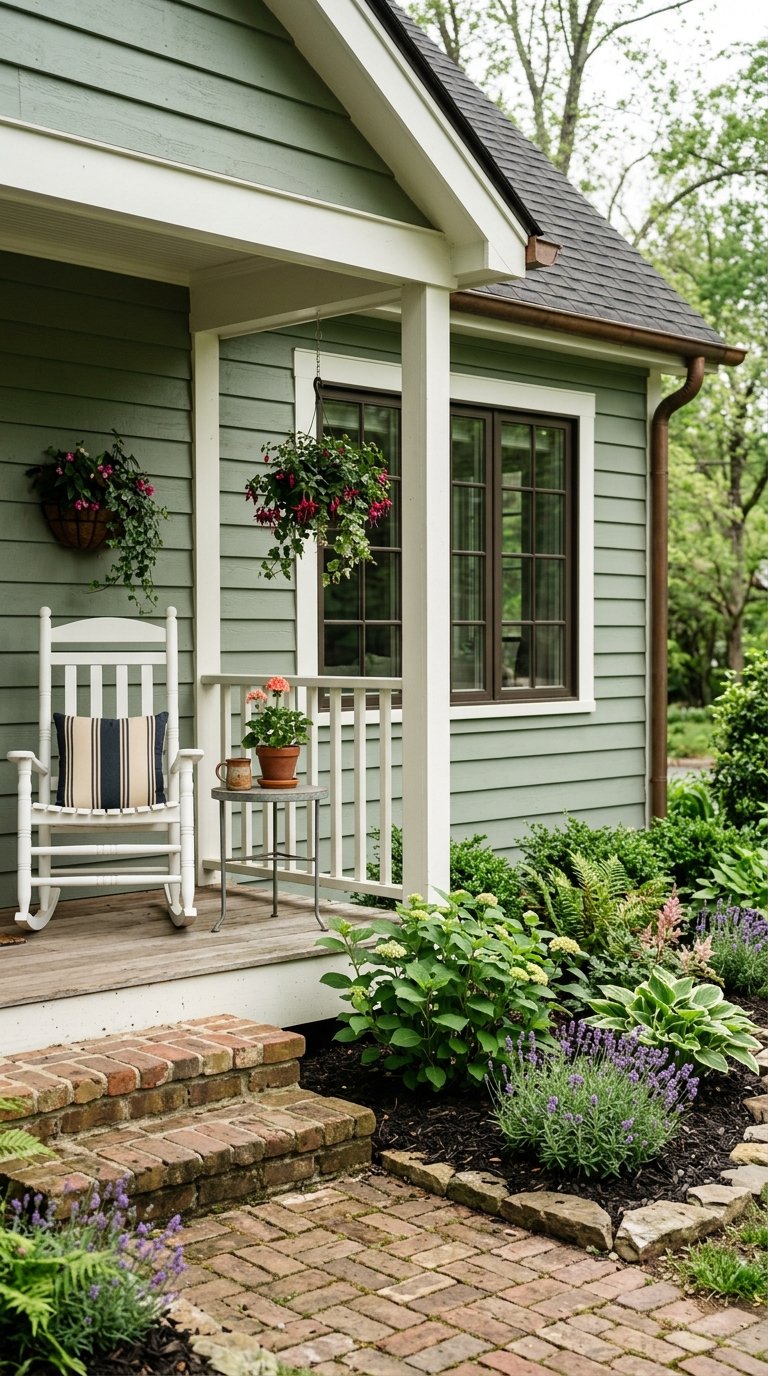
- Freshening mulch, porch areas, and front landscaping
- Fixing obvious issues like loose hardware, burned-out bulbs, or damaged screens
These changes are usually more cost-effective than a full renovation. They also help buyers focus on the home itself instead of the work they think they will have to do.
Start with cleaning and decluttering
If you only do a few things before listing, make cleaning and decluttering the top priorities. These steps make rooms look larger, brighter, and better cared for online and in person.
This matters because most buyers begin their search online. Photos tend to magnify visual noise, and clutter can make a room feel smaller and more confusing than it really is.
Before photos and showings, try to:
- Open blinds and let in natural light
- Remove magnets, notes, and extra items from the refrigerator
- Clear bathroom counters except for a few simple items
- Edit bookshelves and display surfaces
- Store pet items, cords, and bulky bins out of sight
- Keep the home in photo-ready condition for showings
For cottage homes, this is one of the best ways to preserve charm. You are not stripping out character. You are simply making space for buyers to see it.
Spend your budget where it counts
If you have a limited budget, put it where buyers are most likely to notice the difference. That usually means paint, selective staging, and small repairs instead of a major remodel.
Seller prep research shows that painting is one of the most commonly recommended pre-listing projects. A fresh coat of paint can help older interiors look cleaner, lighter, and more cohesive without changing the bones of the house.
Neutral, simple paint can be especially helpful if your cottage has:
- Bold wall colors
- Patchy touch-up areas
- Marks, scuffs, or aging trim
- Several rooms with different paint styles
Selective staging can also pay off. In the 2025 home staging data, 29% of agents said staging led to a 1% to 10% increase in the dollar value offered, and 49% said staging reduced time on market.
If you cannot stage the whole house, prioritize the rooms buyers care about most:
- Living room
- Primary bedroom
- Kitchen
That approach supports a no-major-renovation sale because it helps buyers connect emotionally with the space without requiring you to fully update every surface.
Make your listing photos do heavy lifting
When a home is not newly renovated, the photos have an even bigger job to do. They need to show that the house is clean, functional, and inviting.
Good listing photos can help buyers understand the flow of the home and notice the details that make a cottage appealing. Poor photos can make an otherwise lovely property feel dark, crowded, or dated.
Before your photo day, focus on:
- Bright natural light
- Clear surfaces and open sightlines
- Minimal furniture blocking windows or walkways
- Consistent cleanliness in every room
- A tidy front porch and entry
This aligns well with Ladner Real Estate Team’s full-service seller approach, which emphasizes professional photography and strong listing presentation. If you are selling from out of town or managing an estate, having a team coordinate these details can save time and reduce stress.
Fix obvious faults before buyers ask
You do not need to remodel everything, but you should address visible defects that can make buyers worry about maintenance. In a balanced market, small unresolved issues can have an outsized effect because buyers often assume one problem points to others.
Focus first on faults that are easy to spot during photos, showings, or inspections. A cottage can feel charming and imperfect, but it should not feel neglected.
Common examples include:
- Leaky faucets
- Missing trim pieces
- Cracked switch plates
- Loose handrails
- Doors that stick badly
- Damaged caulk around tubs or sinks
- Rotten or broken exterior wood elements
These kinds of repairs support confidence. They also help reinforce your asking price by showing buyers that the home has been cared for.
Know the rules before you update
In Fairhope, some cottages come with extra layers to think through before making changes. This is especially true if the home is older, located in a designated historic area, or if the work goes beyond cosmetic refreshes.
Fairhope has historic preservation rules that may affect exterior alterations, demolition, or new construction in designated historic districts. If your cottage is in one of those areas, verify what approvals may be needed before changing the exterior appearance.
The city also adopts the 2018 International Residential Code and related technical codes. If you are considering work that touches structure, electrical, plumbing, or mechanical systems, it is smart to check with the city before you begin.
That is another reason a light-prep plan often makes sense. Cleaning, decluttering, paint, and basic cosmetic fixes are usually simpler than larger projects that may trigger approvals, permits, or added expense.
Older cottages may need lead-paint attention
If your Fairhope cottage was built before 1978, lead-based paint rules may apply when you sell. Sellers of many pre-1978 homes must disclose known lead information, provide available records, give the required EPA pamphlet, and offer the buyer an opportunity for a lead inspection.
This does not mean you cannot sell the home without major renovations. It does mean you should be organized and careful about compliance.
If you do any prep work that disturbs painted surfaces, such as scraping, sanding, or more extensive repainting, it is wise to use lead-safe work practices. For more involved repair or repainting, using a lead-safe certified firm can help reduce risk.
Honest disclosure matters in Alabama
Alabama follows caveat emptor for existing homes, but that does not mean sellers can be careless about condition. The Alabama Real Estate Commission notes that sellers and their agents must not misrepresent property conditions when asked.
For you, that means a no-renovation sale should still be handled with honesty and documentation. If you know about an issue, be ready to answer clearly and in good faith.
This is especially important for older cottages, where buyers may ask about age-related items such as roofs, windows, plumbing, moisture history, or prior repairs. Clear communication helps prevent surprises and keeps the transaction moving.
Price for condition, not wishful thinking
Even the best cottage presentation cannot fully overcome overpricing. In a market with solid buyer activity but meaningful competition, pricing should reflect your home’s condition, location, and level of updating.
If your cottage is clean and charming but not fully renovated, the asking price should leave room for that reality. Buyers often compare your home to others with newer kitchens, bathrooms, or systems, even if those homes lack the same character.
A strong pricing strategy should consider:
- Current Fairhope inventory and competition
- Days on market trends
- Buyer expectations for updated versus original condition
- Your home’s curb appeal, lot, and overall presentation
- The likely response to your home’s online photos and showing condition
This is where local guidance matters. A thoughtful pricing conversation can protect your bottom line better than spending heavily on renovations that may not return enough value.
A practical cottage-selling checklist
If you want a simple game plan, start here:
- Declutter every room
- Deep clean the entire home
- Improve curb appeal at the entry and porch
- Touch up or repaint tired interior areas
- Repair obvious visible defects
- Stage or simplify the living room, primary bedroom, and kitchen
- Prepare for professional listing photos
- Check historic-district rules if exterior work is planned
- Confirm whether lead-paint rules apply to your home
- Gather records and be ready for honest condition discussions
- Price the home according to condition and market competition
For many Fairhope sellers, that list is enough. You do not need to erase the home’s age. You need to present it with clarity, care, and realism.
Selling a Fairhope cottage without major renovations is often less about doing everything and more about doing the right things. If you want experienced help with pricing, prep coordination, professional marketing, and a smooth selling process, connect with Margo Ladner.
FAQs
What prep matters most when selling a Fairhope cottage without renovating?
- The highest-impact steps are usually decluttering, deep cleaning, curb appeal, visible minor repairs, light paint, and strong listing photos.
Which rooms should sellers prioritize in a Fairhope cottage?
- If your budget is limited, focus first on the living room, primary bedroom, and kitchen because those rooms are often the most important to buyers.
Do older Fairhope cottages need lead-paint disclosure?
- If the home was built before 1978, lead-based paint rules may apply, including disclosure of known information, sharing available records, providing the required pamphlet, and offering the buyer an opportunity for a lead inspection.
Do historic rules affect exterior updates on a Fairhope cottage?
- They can if the property is in a designated historic district, so it is important to verify exterior approval requirements before changing the home’s appearance.
Can you sell an older cottage in Alabama without fixing everything?
- Yes, but you should avoid misrepresenting known conditions when asked, address obvious issues when possible, and price the home according to its current condition and competition in the market.