Worried that an appraisal could slow down your sale in Saraland? That concern is common, especially when you have already put time, money, and effort into getting your home ready for the market. The good news is that you cannot control the appraised value, but you can make it easier for the appraiser to clearly see your home’s condition, features, and upkeep. If you want fewer surprises and a smoother process, a little preparation goes a long way. Let’s dive in.
What a home appraisal looks at
A home appraisal is an independent opinion of market value. In Alabama, appraisers are expected to provide objective and unbiased opinions about real property value, and that value is based on the home itself along with outside market factors.
In practical terms, an appraiser often looks at the home’s size, layout, overall condition, maintenance, landscaping, location, features, recent comparable sales, and broader market conditions. The appraisal is usually ordered by the lender, and the final report goes to the lender for underwriting.
It also helps to know what an appraisal is not. It is separate from a home inspection, and the on-site visit may only last a couple of hours even though the full appraisal process can take several days to a few weeks.
Focus on clarity, not control
One of the best ways to think about an appraisal is this: your goal is not to influence the number. Your goal is to reduce friction so the appraiser can view the property easily, understand its condition, and work from the best available information.
That mindset can help you spend your time wisely. Instead of stressing over every cosmetic detail, focus on visible maintenance, easy access, and clear documentation for updates or permitted work.
Condition matters more than perfection
Appraisers take a broad view of property condition. They are expected to identify visible repairs, deferred maintenance, and any issues that affect value or marketability.
That does not mean your home has to look brand new. Minor issues may still be acceptable in an as-is appraisal, but bigger problems tied to safety, soundness, or structural integrity can create delays because repairs may be required before the loan can move forward under certain loan guidelines.
Minor issues vs. bigger concerns
Some visible items may seem small, but they still signal maintenance. Examples of minor issues can include worn flooring, worn carpet, minor plumbing leaks, holes in window screens, missing handrails, or cracked window glass.
More serious concerns are different. If there is substantial damage or deferred maintenance that affects safety, soundness, or structural integrity, that can become a much bigger issue during the appraisal process.
Updates can help, but context matters
If you have updated your home, that can support value, but it does not automatically translate into a dollar-for-dollar increase. Appraisers still rely heavily on comparable sales and on how the local market reacts to those upgrades.
That is why it helps to think in terms of market expectations. A refreshed kitchen, updated flooring, or improved fixtures may strengthen how your home presents, but the final value still depends on how similar Saraland homes are selling.
Smart appraisal prep for Saraland sellers
If you are selling in Saraland, local property records and site details can be especially important. The City of Saraland Building Department handles permits for many types of work, including building, electrical, plumbing, mechanical, right-of-way, land disturbance, and tree-related work.
Saraland’s planning tools also point property owners to zoning information and mapping resources that can help verify zoning and identify flood zones or wetlands. If your property has site-related details that may raise questions, it is wise to gather that information before the appraisal appointment.
Gather permit records
If you added onto the home or completed work that required city approval, keep those records easy to find. This can be especially helpful for additions, plumbing changes, electrical work, or site improvements.
You do not need to overload the appraiser with paperwork. A simple, organized packet or summary can help confirm that improvements match what was approved.
Confirm site-related details
Some Saraland properties may involve questions about zoning, drainage, flood zones, or wetlands. If those factors apply to your property, having records available can help reduce confusion during the process.
This step is not about overexplaining. It is about being prepared if the appraiser or lender needs supporting information.
Your appraisal prep checklist
Before the appointment, focus on the basics that help the appraiser inspect the home clearly and note its condition accurately.
Make the home accessible
Appraisers must complete a visual inspection of accessible areas. They are not responsible for hidden or unapparent conditions, so it helps when the areas they need to see are easy to reach.
A few simple steps can help:
- Unlock gates, sheds, garages, and other accessible areas
- Clear boxes or furniture away from attic entries, access panels, and major systems
- Make sure rooms, hallways, and exterior areas are easy to walk through
- Replace burned-out light bulbs in key areas if needed for visibility
Tidy the exterior
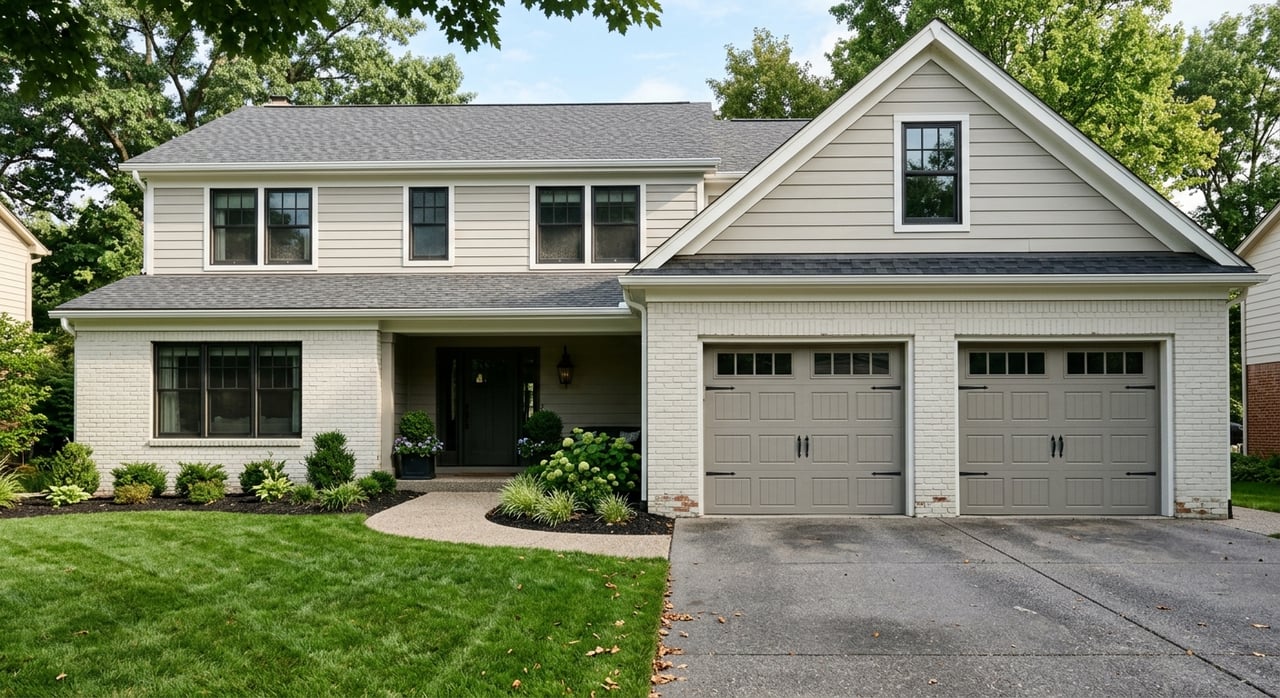
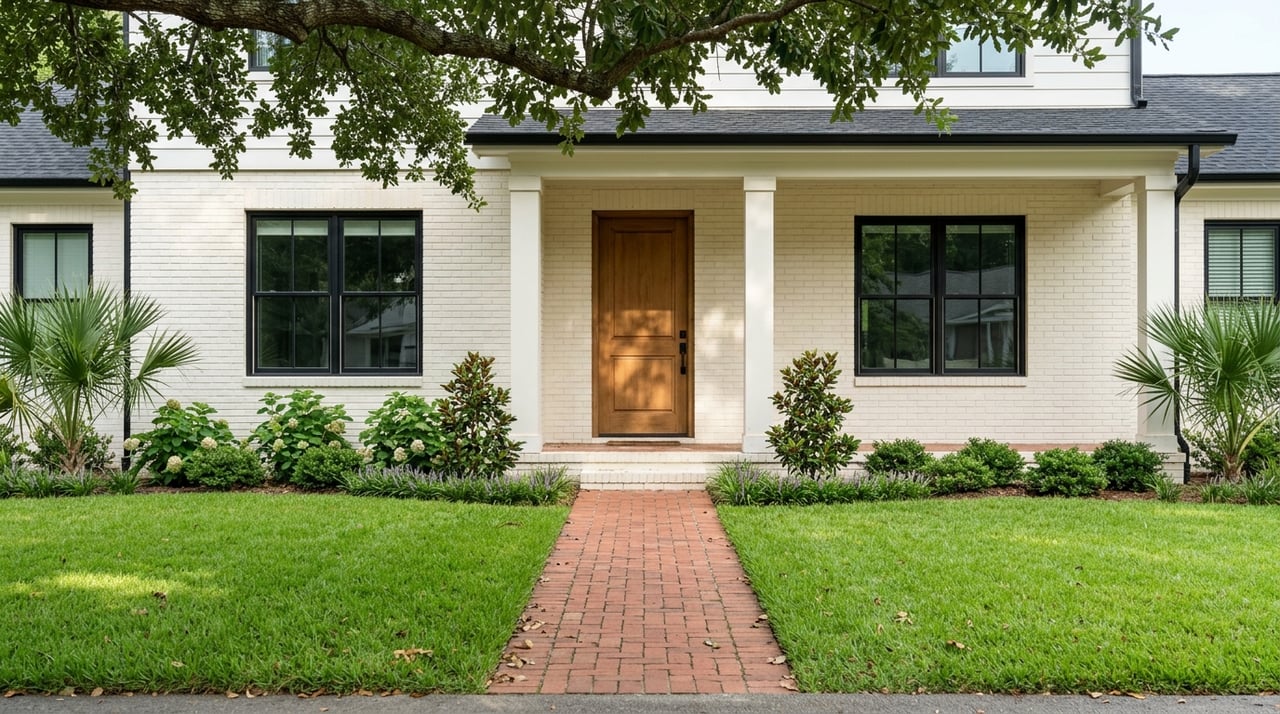
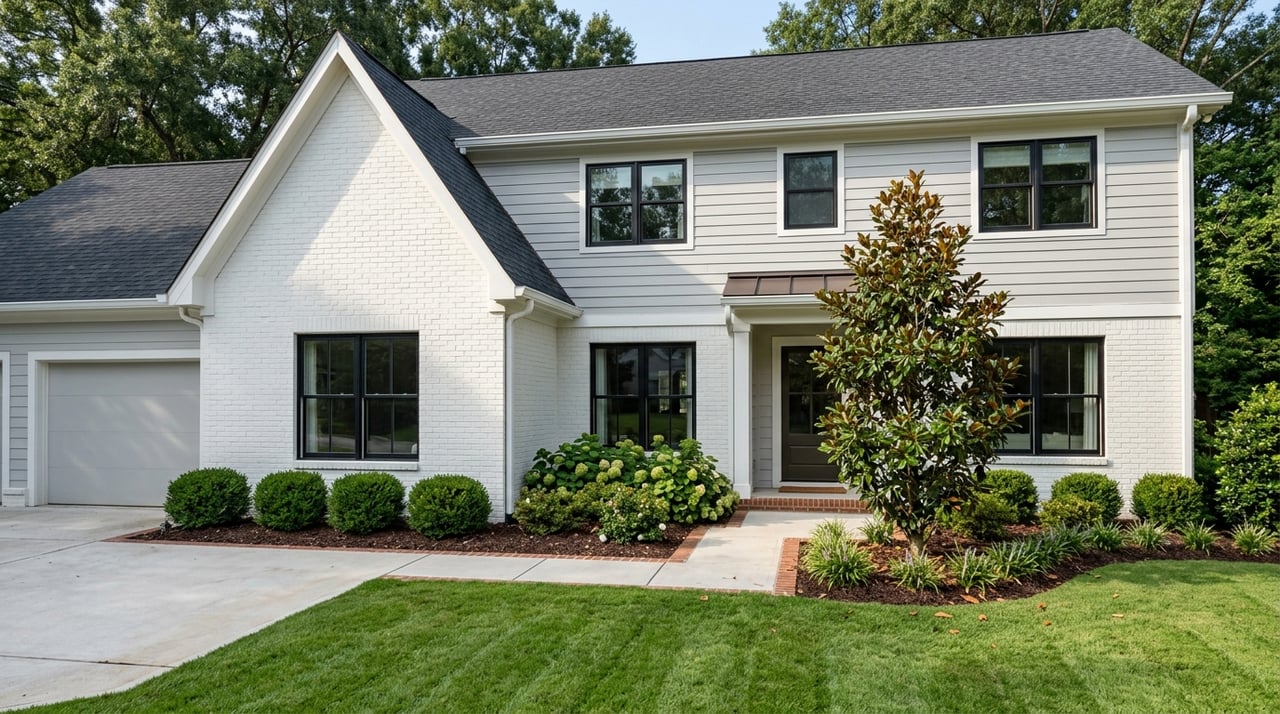
Landscaping is one of the factors appraisers consider. Your yard does not need to look like a magazine cover, but it should look maintained rather than neglected.
Good pre-appraisal exterior tasks include:
- Mow the lawn
- Trim overgrown shrubs or tree limbs
- Remove yard debris
- Clean up porches, walkways, and driveways
- Put away tools or materials that make the property feel unfinished
Fix visible maintenance items
You do not always need a major pre-listing renovation, but visible deferred maintenance is worth addressing when possible. Small repairs can help prevent the impression that larger issues may be lurking.
Consider handling items like:
- Minor plumbing leaks
- Missing handrails
- Cracked window glass
- Torn screens
- Loose trim
- Worn or obviously damaged finishes
Prepare an updates list
Have a short list of recent improvements ready, along with approximate dates. Appraisers do consider renovations and updates, and a simple summary can help them understand what has changed.
Your list might include:
- Roof replacement
- HVAC replacement or servicing
- Water heater replacement
- Flooring updates
- Kitchen or bath improvements
- New windows
- Exterior paint or siding repairs
Keep recent market movement in mind
Appraisals are tied to a specific effective date, so timing matters. If the market has shifted between when comparable homes went under contract and the appraisal date, that can affect how sales are analyzed.
This is one reason pricing strategy and local guidance matter. Even when your home is in strong condition, the appraised value still reflects current market evidence, not just effort or investment.
What to do if the appraisal raises concerns
Sometimes an appraisal comes in lower than expected or includes repair-related comments. If that happens, the best next step is to work through the lender rather than trying to contact the appraiser directly.
The appraiser can generally discuss results only with the client who hired them, which is typically the lender. If important information was missed or the value appears unsupported, the lender may review a reconsideration of value request.
Stay practical and organized
If the appraisal raises questions, try to stay focused on solutions. Depending on the situation, the path forward may involve providing missed information, addressing repairs, or renegotiating price or terms based on the contract.
This is where having a responsive local real estate team can make a real difference. When you already have your update list, permit paperwork, and property details organized, it is much easier to respond quickly and keep the transaction moving.
A smoother appraisal starts before the appointment
The easiest appraisal problems to solve are often the ones you prevent early. When your Saraland home is clean, accessible, well-maintained, and backed by clear records, you make the appraiser’s job easier and reduce the odds of avoidable delays.
At Ladner Real Estate Team, we believe seller prep should feel practical, not overwhelming. If you are getting ready to list in Saraland and want hands-on guidance before the appraisal stage, Margo Ladner can help you prioritize the steps that matter most.
FAQs
What does a home appraiser look at during a Saraland appraisal?
- A home appraiser typically considers the home’s size, layout, condition, maintenance, landscaping, features, location, recent comparable sales, and current market conditions.
Is a home appraisal the same as a home inspection in Saraland?
- No. A home appraisal is an opinion of market value for the lender, while a home inspection is a separate evaluation of the property’s condition.
Should I make repairs before a home appraisal in Saraland?
- It is often smart to address visible maintenance items, especially issues that could suggest deferred maintenance or affect safety, soundness, or structural integrity.
Do home improvements automatically raise appraisal value in Saraland?
- No. Updates can help, but appraisers still rely on comparable sales and the local market’s reaction to those improvements.
What paperwork should I gather before a Saraland home appraisal?
- It helps to have a list of recent updates, approximate dates of improvements, and permit records for work that required approval from the City of Saraland.
What should I do if my Saraland appraisal comes in low?
- Work through the lender. If important information was missed or the value seems unsupported, the lender may consider a reconsideration of value or the parties may renegotiate based on the contract.