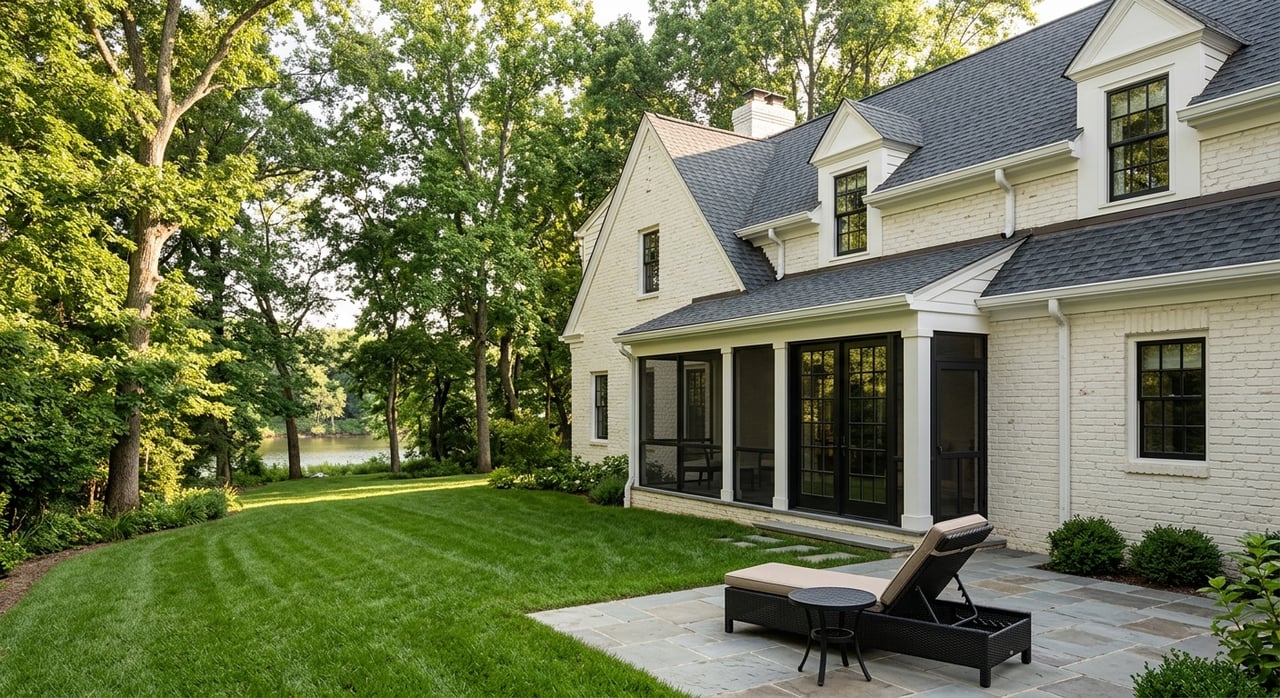
Thinking about a second home at Lake Martin? It sounds simple until you realize that a lake property is not just about the house. You are also buying into water levels, shoreline rules, seasonal use, and a very specific lifestyle. If you want to make a smart decision, this guide will help you understand what to look for, what to budget for, and what questions to ask before you buy. Let’s dive in.
Why Lake Martin Appeals to Second-Home Buyers
Lake Martin offers the kind of getaway many buyers picture when they think about a second home in Alabama. Alabama Power lists the lake at 41,150 acres with about 880 miles of shoreline, which gives you a wide range of property settings and on-the-water experiences. That scale is part of what makes the area attractive for both weekend escapes and longer seasonal stays.
The lake is also built for recreation. Research shows there are more than 11 marinas, six public boat ramps, and a major public access point at Wind Creek State Park. For you as a buyer, that means you can shape your search around how you actually want to spend time at the lake.
Know Lake Martin’s Seasonal Water Levels
One of the biggest things second-home buyers need to understand is that Lake Martin is a storage reservoir, not a static lake. Alabama Power says water levels typically differ between summer and winter pool, with drawdowns in late fall and winter and a return to summer pool in spring. That seasonal change can affect how a property looks and functions throughout the year.
If you are shopping during one season only, you may not get the full picture. A dock that feels ideal in summer may look very different during winter drawdown. Shoreline access, water depth, and even the timing of repairs or improvements can all depend on lake levels.
That is why it helps to evaluate a home with the full calendar in mind. If your goal is easy year-round use, you will want to ask how the property performs across changing conditions, not just on the day of your showing.
Match the Shoreline to Your Lifestyle
At Lake Martin, lifestyle choice matters almost as much as the home itself. Areas near marinas, ramps, and popular access points will often feel more active because of boating and recreation patterns. More protected coves and sloughs may offer a quieter setting with fewer wakes and less traffic.
Neither option is better across the board. It depends on what you want your second home to feel like. If you want quick access for boating, fishing, and entertaining, an active shoreline may fit your goals. If you want a more tucked-away retreat, a protected cove may be a better match.
Before you buy, think about how you will actually use the property:
- Weekend boating and water sports
- Quiet mornings and lower boat traffic
- Easy launch access
- Privacy and less shoreline activity
- Space for hosting family and friends
- Seasonal use versus more frequent stays
A good second-home search starts by narrowing your preferred lake experience, then finding the right property within that setting.
Budget Beyond the Mortgage Payment
A second home at Lake Martin usually comes with more moving parts than a primary residence. Research from the Consumer Financial Protection Bureau notes that your monthly housing cost can include principal, interest, property taxes, mortgage insurance, homeowner’s insurance, flood insurance, and HOA fees. On top of that, you should also plan for maintenance, repairs, and utilities.
For a lake property, that bigger picture matters even more. Seasonal travel, furnishing a second home, utility setup, shoreline upkeep, and occasional repairs can add up faster than many buyers expect. Closing costs also typically run about 2% to 5% of the purchase price, according to the same research.
It is also smart to keep a cushion for the unexpected. The CFPB recommends having at least three to six months of expenses in reserve. For a getaway property, that reserve can help cover surprise maintenance, insurance changes, or lake-related repair needs without turning your retreat into a financial strain.
Understand Second-Home Financing Rules
If you plan to finance your Lake Martin purchase as a second home, the occupancy rules matter. Fannie Mae says a second home must be occupied by the borrower for some portion of the year, must be a one-unit dwelling suitable for year-round occupancy, and must remain under the borrower’s exclusive control. It also cannot be a timeshare, rental property, or a home subject to a management agreement that controls occupancy.
That point is important because many buyers assume they can casually mix personal use with rental income and keep the same financing category. In reality, how you plan to use the home can affect how the property is classified. If rental income is identified, Fannie Mae says the loan may still qualify as a second home only if that income is not used to qualify and the other second-home requirements are still met.
In simple terms, your intended use should be clear before you write an offer. If you are buying primarily for personal use, your financing path may look different than it would for an income-focused purchase.
Plan for Property Taxes and Possible Rental Taxes
Lake Martin buyers should also look closely at ownership costs beyond the loan. In Alabama, property taxes are assessed locally through county tax offices, and millage rates vary by county. Since homestead exemptions are tied to a principal residence, a vacation or second home generally should not be expected to receive homestead relief.
If you think you may rent the home part time, tax planning becomes even more important. Alabama’s lodgings tax applies to transient stays under 180 continuous days, and local lodging taxes may also apply depending on the jurisdiction. Research also notes that collection and remittance rules can vary depending on whether bookings happen directly or through a third-party platform.
This is one of those areas where a little upfront clarity can save a lot of stress later. If part-time rental use is on your radar, make sure you understand how that choice could affect both financing and tax responsibilities.
Do Shoreline Due Diligence Early
With Lake Martin, waterfront due diligence is really shoreline-rights due diligence. Alabama Power’s shoreline guideline states that the lake has a 30-foot control strip from the 491-foot mean sea level line, and the company owns pool property and, in some places, also holds fee ownership and flood easement rights. That means your waterfront lot may not work the way you assume it does.
A written permit is required before construction or significant repair work on fee-owned property, flood easement areas, or control strip lands. That includes common projects such as docks, piers, boat ramps, boathouses, seawalls, rip rap, dredging, and regrading. Permit applications require a deed, a sketch or drawing, and any applicable HOA or architectural approvals.
This is a major reason to avoid making assumptions based on a listing photo alone. Just because a lot touches the water does not mean it can support every type of shoreline improvement you have in mind.
Dock Size and Shoreline Limits Matter
Dock expectations can be a surprise for second-home buyers. According to the current Lake Martin shoreline guideline, total allowable structure area is 1,510 square feet and total structure length is 62 feet. Floating dock and pier or gangway length are counted together.
There can also be restrictions tied to lot frontage. Research notes that lots with less than 100 linear feet of shoreline may be restricted or ineligible for structures. If a private dock or expanded shoreline setup is important to you, this is something to verify before you move forward.
In practical terms, your due diligence checklist should include:
- Shoreline frontage measurement
- Existing permits and improvements
- Potential limits on dock or boathouse size
- HOA or architectural approval requirements
- Whether planned repairs or upgrades need permitting
These details can have a real impact on how usable the property feels after closing.
Think About Maintenance Timing
Because Lake Martin is seasonally drawn down, timing matters for upkeep and improvements. Alabama Power notes that drawdowns create better access for maintenance work, and shoreline guidelines say those periods are often the best time to perform permitted work. That can be a real advantage for owners planning repairs or upgrades.
For you, this means maintenance planning should be part of the buying decision. If a property needs shoreline work, dock updates, or other waterfront improvements, you will want to understand not just the cost but also the likely timing. Seasonal ownership works best when you know how the lake’s cycle affects your to-do list.
Prepare for Insurance Questions
Insurance is another area where lake buyers should ask early questions. Research notes that if a home is located in a FEMA-designated Special Flood Hazard Area, a lender is likely to require flood insurance. That requirement can affect your monthly payment and your overall budget.
Even when flood insurance is not required, homeowner’s insurance and other property-specific coverage should be reviewed carefully. A second home with waterfront exposure may have different risk factors than a typical inland property. Getting clarity early helps you budget with fewer surprises.
Use Tools That Help You Monitor the Lake
If your second home will not be occupied full time, remote awareness becomes more useful. Research notes that the Shorelines app can help owners monitor lake levels, generator activity, and weather. For seasonal owners, that kind of visibility can make it easier to stay informed between visits.
This does not replace on-the-ground property care, but it can help you stay connected to changing conditions. When you own a getaway home, small planning tools often make ownership feel much easier.
Build a Smarter Buying Strategy
Buying a second home or getaway at Lake Martin can be exciting, but it works best when your search is grounded in how the property will function in real life. The right home is not only about attractive views or interior finishes. It is about matching your goals to the shoreline setting, understanding seasonal water changes, and planning for ownership costs that go beyond the note.
When you approach the search with clear priorities, you put yourself in a much stronger position. You can compare homes more accurately, ask better questions, and avoid expensive assumptions about docks, shoreline work, taxes, or future use.
If you are thinking about a second home in Alabama and want guidance that is practical, responsive, and easy to understand, Margo Ladner is here to help you make a confident move.
FAQs
What should I know about Lake Martin water levels before buying a second home?
- Lake Martin is a storage reservoir, so water levels usually change between summer and winter, with drawdowns in late fall and winter and a return to summer pool in spring.
What is the difference between active and quiet shoreline at Lake Martin?
- Shoreline near marinas, ramps, and public access points will generally feel more active, while protected coves and sloughs may offer less traffic and fewer wakes.
What costs should I budget for with a Lake Martin second home?
- In addition to the mortgage, you may need to budget for property taxes, insurance, flood insurance, HOA fees, maintenance, repairs, utilities, furnishings, and closing costs.
Can I finance a Lake Martin property as a second home?
- Possibly, if the property meets second-home guidelines such as personal occupancy for part of the year, year-round suitability, exclusive borrower control, and no treatment as a rental property for qualification purposes.
Do Lake Martin shoreline improvements need permits?
- Yes, many shoreline projects such as docks, piers, ramps, boathouses, seawalls, dredging, and regrading require written permission under Alabama Power shoreline rules.
Can every waterfront lot at Lake Martin have a large dock or boathouse?
- No, allowable structure size and length are limited under current shoreline guidelines, and lots with less than 100 linear feet of shoreline may face restrictions or ineligibility for structures.
Will a Lake Martin second home qualify for Alabama homestead tax relief?
- A vacation or second home generally should not be expected to receive homestead relief because Alabama homestead exemptions are tied to a principal residence.
If I rent out my Lake Martin getaway, will lodging taxes apply?
- They may, because Alabama’s lodgings tax applies to transient stays under 180 continuous days, and local lodging taxes may also apply depending on the property location and booking method.