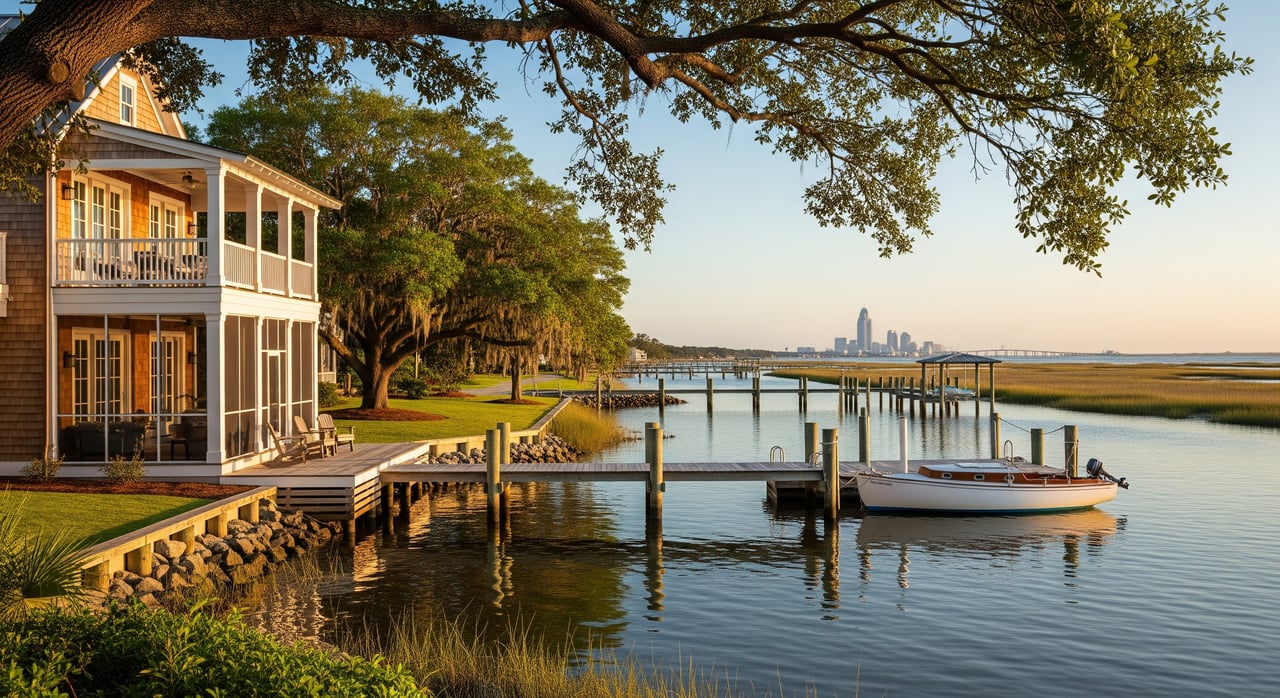
Wondering what daily life in Daphne really looks like? You want honest details about the commute, places to get outside, and how easy it is to reach Mobile Bay. You also want practical tips that help you choose the right neighborhood and home. This guide lays out what to expect day to day, with clear examples and next steps you can use. Let’s dive in.
Commute realities to Mobile
If you work in Mobile, expect a drive-first lifestyle. Most residents commute by car, and routes converge toward the bay crossings before entering central Mobile. Drive times vary by your exact starting point in Daphne, your destination in Mobile, and when you travel.
During normal conditions, you might see moderate commutes that range from about 30 minutes to longer stretches over an hour when traffic is heavy. Peak periods can move slowly near major intersections, shopping areas, and the bay crossings. It helps to test your likely route during your typical drive window.
What to expect at peak times
- Heavier flows build during the weekday morning and evening windows.
- Bay-crossing corridors are common chokepoints.
- Seasonal spikes happen during holidays and regional events, including summer tourism.
Alternatives and planning tips
- Public transit between Daphne and downtown Mobile is limited. Plan around a personal vehicle.
- Carpooling, employer shuttles, and partial telecommutes are common.
- Use navigation apps and local DOT traffic pages for real-time updates.
- If a shorter commute is a priority, focus on neighborhoods with quick access to major corridors.
Parks, trails, and everyday outdoor time
You will find neighborhood parks, playgrounds, sports fields, and short walking paths throughout Daphne. Many residents use bayfront green spaces for evening walks, sunset views, and simple family outings. City programs often include youth sports, camps, and seasonal events. Check current schedules with the local parks and recreation office before you plan.
Quick ideas for local time outside
- Weeknight stretch: hit a neighborhood park for a short walk or playground time.
- Early morning: take a paved path or boardwalk-style stroll where available.
- Afternoon: pack a picnic for a bayfront green space.
Regional nature within a short drive
- Blakeley State Park near Spanish Fort offers trails, historic sites, and open space for hiking and birding.
- Weeks Bay National Estuarine Research Reserve near Fairhope features interpretive trails, boardwalks, and paddling with a focus on the Mobile Bay watershed.
- The Mobile-Tensaw Delta provides wildlife viewing, paddling routes, and boat-accessible islands for day trips.
Bay access, boating, and paddling
Daphne and neighboring Eastern Shore towns provide a mix of public bayfront areas, small fishing spots, and boat ramps. These are useful for shoreline fishing, launching small boats, or putting in a kayak.
Kayaking and paddleboarding are popular in the estuarine waters of Mobile Bay and nearby reserves. Tides and shallow mudflats can influence where and when you go, so check local tide information and talk with outfitters or experienced paddlers for route advice and safety.
Practical safety and planning
- Boating basics: follow Alabama boat registration and safety gear rules, and consider a local boating safety course if you are new.
- Weather and water: understand seasonal weather and hurricane preparedness.
- Waterfront rules: some shorelines sit in protected areas, so confirm any restrictions on docks or shoreline work before making plans.
Homes and neighborhoods at a glance
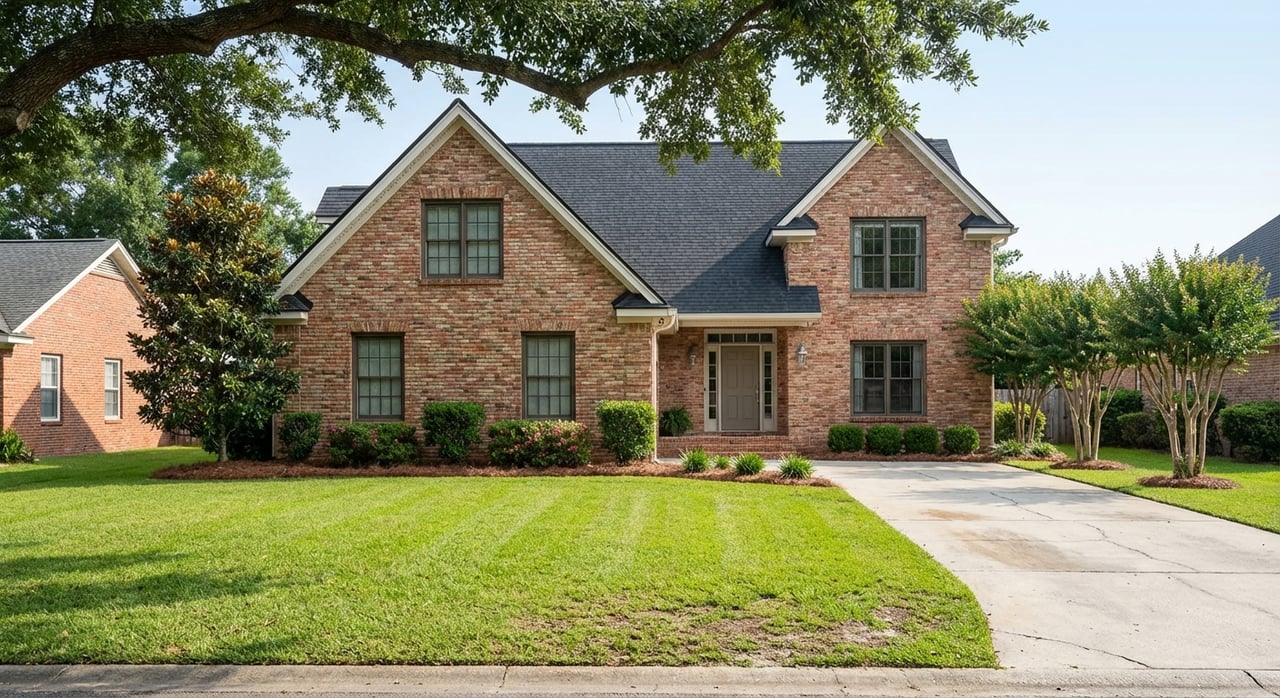
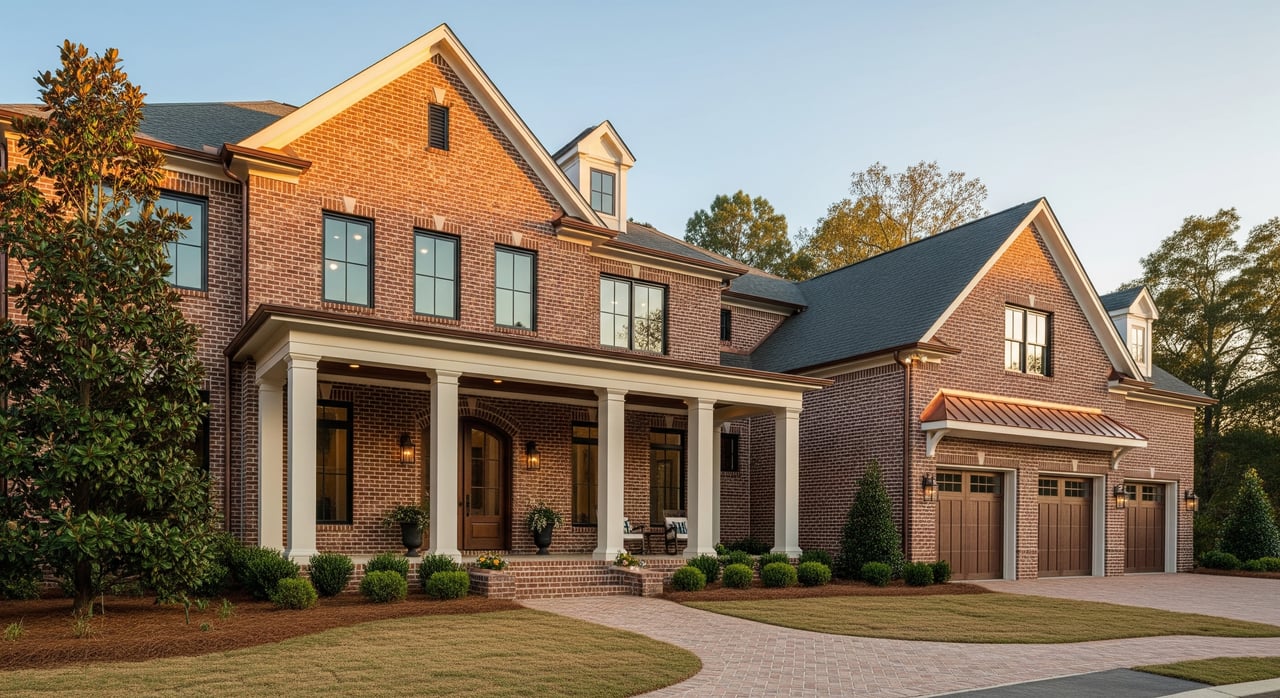
You will see a wide range of housing in Daphne. Suburban single-family homes are common, including ranch and two-story styles from several eras. Newer subdivisions often include sidewalks, playgrounds, and sometimes community pools. There are also condominium options, including some waterfront condos, and garden-style apartments used by professionals and downsizers.
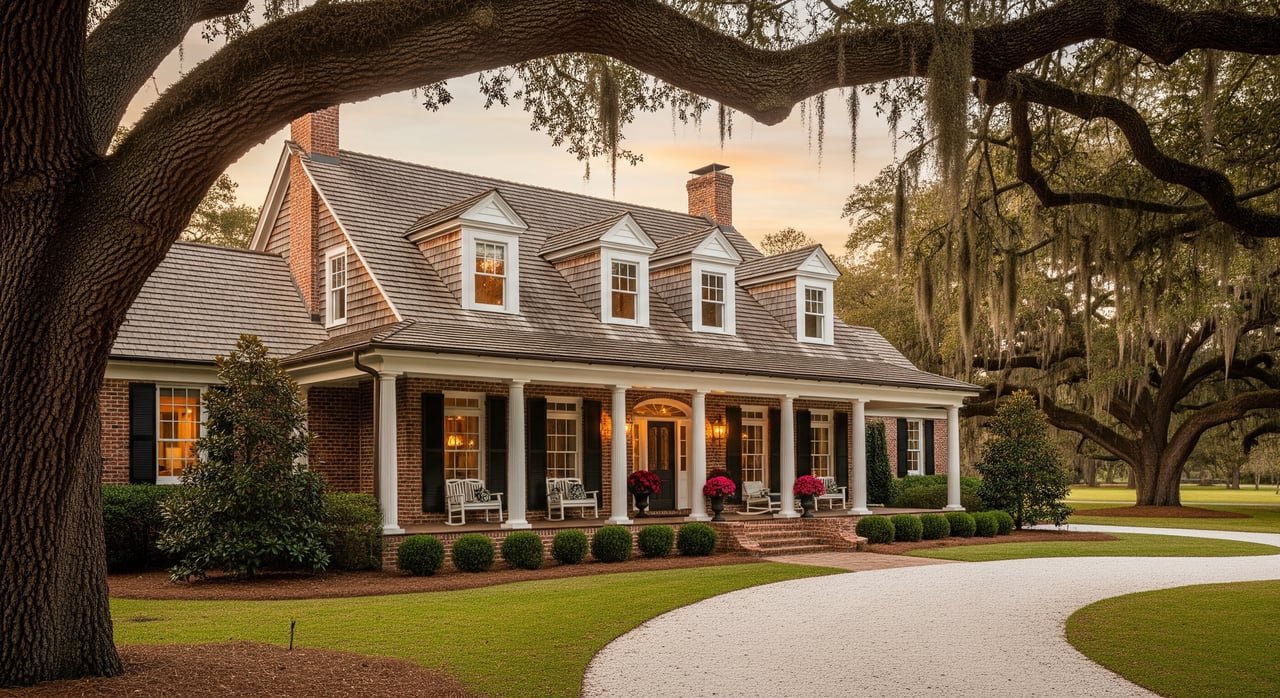
Near the bay, you may find lowcountry and coastal-style homes with raised foundations, large porches, and materials suited for a humid coastal climate. Older cottages near established areas offer smaller lots and character details. Age-restricted and active-adult communities exist within Baldwin County for buyers seeking that setup.
Waterfront vs. inland tradeoffs
- Waterfront homes come with premium pricing and added considerations. Expect higher insurance costs, more maintenance from salt exposure, and specific elevation or shoreline standards.
- Inland neighborhoods often offer larger lots at more accessible prices, quicker access to main roads, and less exposure to coastal flood risk.
- Many homes include porches and screened areas that fit warm-weather living.
Smart buying considerations
Before you fall in love with a view or a quick drive, line up the details:
- Flood and insurance: check FEMA flood zones, elevation certificates when needed, and talk with insurance pros about coverage.
- Building and wind standards: ask about storm shutters, roof attachments, and recent updates that meet local code.
- Commute vs. lifestyle: compare neighborhoods by distance to major corridors, proximity to bayfront access, and the parks you prefer.
- Maintenance planning: factor in coastal wear for waterfront properties and typical upkeep for larger inland lots.
Match your lifestyle to your location
Use these simple profiles to narrow your search:
- Commuter-first: focus on neighborhoods with quick access to major routes. Test your drive at your actual arrival time.
- Recreation-first: prioritize proximity to bayfront green spaces, boat ramps, or quick drives to reserves and state parks.
- Balanced: pick a central area with reasonable access to both corridors and the shoreline, then adjust based on where you spend most weekends.
Your next steps
- Test-drive your commute during peak hours from two or three neighborhoods.
- Visit a neighborhood park after work to see the vibe and parking.
- Stop by a bayfront area or ramp to check launch access and tides.
- Review flood maps and discuss elevation, code, and insurance with qualified pros.
- Tour homes at different times of day to understand traffic, noise, and light.
- Talk with a local agent who knows Mobile and Baldwin County and can compare commute and lifestyle tradeoffs across neighborhoods.
Ready to explore homes and neighborhoods that fit your day-to-day life in Daphne? Reach out to Margo Ladner for local guidance, from commute testing tips to bay access know-how.
FAQs
How long is the commute from Daphne to downtown Mobile?
- Most residents drive, and travel times range from around 30 minutes to over an hour at peak, depending on your start point, destination, and traffic near the bay crossings.
What kinds of parks and trails will I find in and around Daphne, AL?
- You will find neighborhood parks, playgrounds, and short walking paths in town, plus regional options like Blakeley State Park, Weeks Bay Reserve, and the Mobile-Tensaw Delta for weekend hikes and nature time.
Is there easy access to Mobile Bay for kayaking or small boats?
- Yes, the Eastern Shore has public bayfront areas, small fishing spots, and ramps that work for launching kayaks and small craft, with tides and shallow areas to consider when planning.
Are waterfront homes in Daphne more complex to own?
- Waterfront properties often bring higher insurance, added maintenance, and elevation or shoreline requirements, so plan for those factors during your search and due diligence.
What home styles are common in Daphne neighborhoods?
- Expect suburban single-family homes from multiple eras, coastal-style homes near the bay, older cottages in established areas, newer subdivisions with amenities, and some condos and apartments.