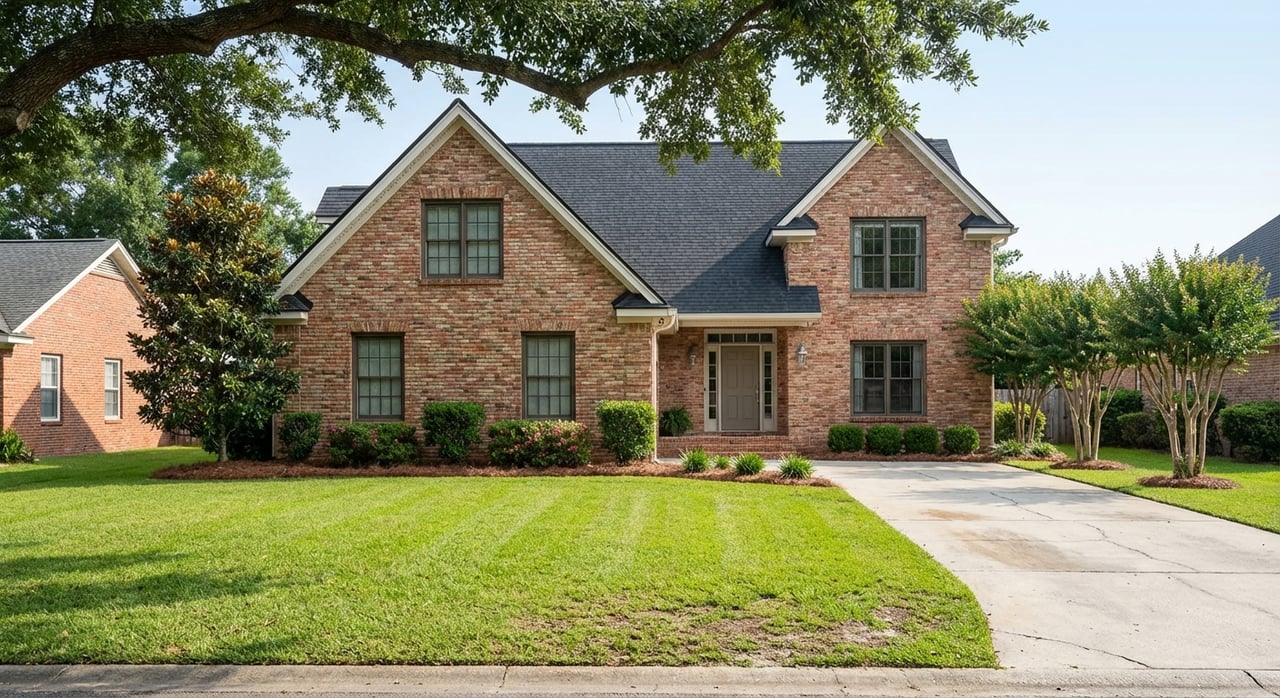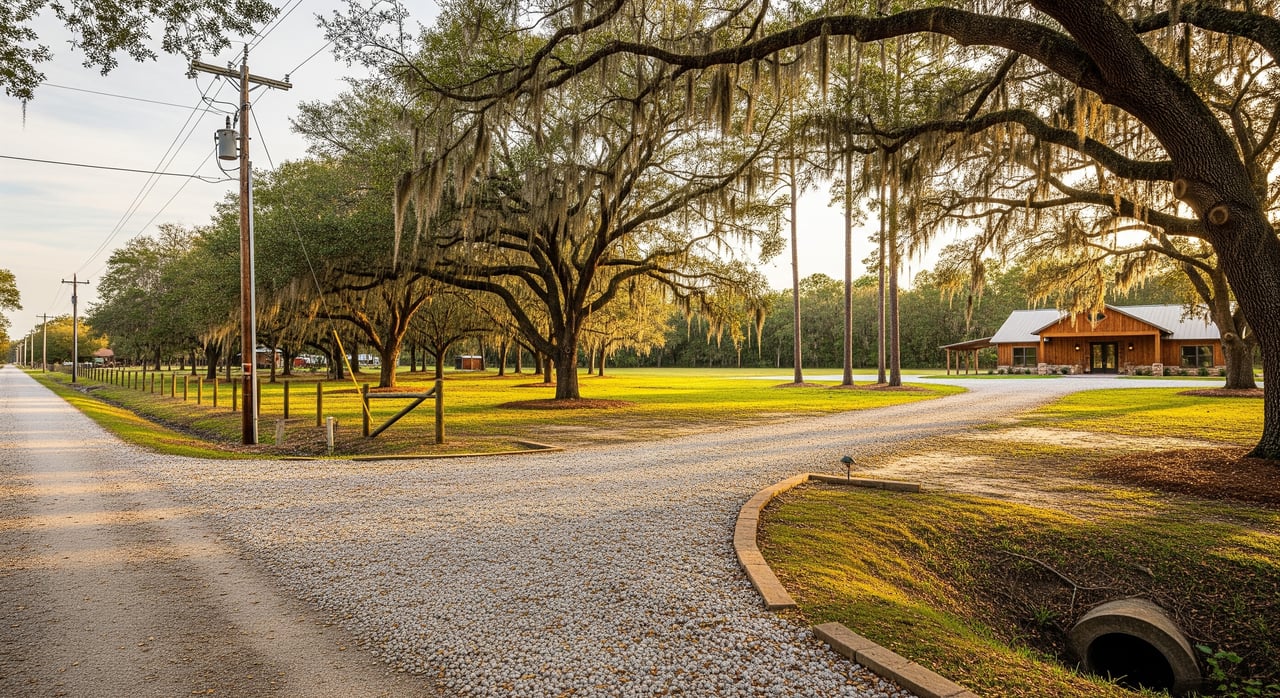
Thinking about buying acreage in Wilmer for a homesite, small farm, or investment? Rural parcels in western Mobile County can be a great fit, but the details matter. Utilities, legal access, soils, and potential wetlands can change your budget and your timeline. In this guide, you’ll learn what to verify, who to call, and how to sequence due diligence so you can buy with confidence. Let’s dive in.
Wilmer land: what to expect
Wilmer sits in unincorporated Mobile County. Most parcels follow county rules rather than city codes. The landscape is coastal plain, with flat to gently rolling ground, sandy uplands, and some low-lying clay areas near streams and bayous.
You should expect a rural setup. Many properties rely on private wells and septic systems. Broadband can be limited. Some tracts are former timberland or hunting properties, so access and drainage vary by site.
Utilities: verify early
Never assume public water, sewer, gas, or high-speed internet on Wilmer acreage. Confirm each service for the exact parcel. The following checks will save time and money.
Electricity
Alabama Power is the primary provider in Mobile County. Ask about service to your specific parcel, line-extension needs, and timelines. Extensions can require new poles, easements, and a meter set. Your agent can request a quote using the legal description or coordinates.
Water: public lines vs wells
Public water through Mobile Area Water & Sewer System may not reach unincorporated Wilmer. Ask if there is an existing service line or a nearby main and whether extension is possible. If not, plan for a drilled well and confirm local water quality expectations with a well contractor.
Sewer vs septic
Public sewer is uncommon on rural tracts. Expect a septic system for a home. The Mobile County Health Department oversees permitting and will require a soil evaluation or perc test, setbacks, and a mapped replacement area. If there is an older system, obtain inspection and pump records.
Natural gas and propane
Many rural parcels are not on a gas main. If no gas is nearby, budget for a propane tank and deliveries. Confirm any gas extension costs with the provider if a main is close.
Internet and cellular
Broadband can be inconsistent. Check provider tools and the FCC map for availability by address. On-site signal tests for AT&T, Verizon, and T‑Mobile help set realistic expectations. Satellite or low-earth-orbit services may be your best option in some spots.
Trash, mail, and 911 address
Trash pickup is often private. Confirm service and rates with local haulers. You may need to obtain or confirm a 911 address through the county before permits are issued or deliveries begin.
Ask the seller for any utility easements, recent extension quotes, well logs, and septic permits or as-builts. These documents can clarify costs and timelines.
Access: roads, easements, and permits
Public vs private access
Make sure you have legal ingress and egress by public road frontage or a recorded private easement. If the driveway crosses a neighbor’s land without a recorded easement, you may not have legal access. For private roads, confirm who maintains the road and how costs are shared.
County road status and maintenance
Confirm if the road fronting the parcel is a county-maintained public road. Mobile County Public Works can verify maintenance status and whether the road is a dedicated right-of-way. Parcels accessed only by old woods roads may be landlocked without a recorded easement.
Driveway permits and culverts
A new or modified driveway connecting to a county road usually needs a permit and a culvert installed to county standards. If your access crosses a stream or wet area, additional state or federal permits may be required.
Survey and legal confirmation
Order a current boundary survey. It should show easements, the access route, and right-of-way widths. An ALTA/NSPS survey may be required if you are using a lender. Use the survey with title work to confirm access before you close.
Soils, drainage, floodplain, and wetlands
Septic suitability and soils
Use the county process for a soil evaluation and perc testing to confirm a buildable septic area. Sandy uplands often work well; clayey or organic soils can be challenging. A local geotechnical or soils professional can advise on bearing capacity and seasonal high water if the site looks marginal.
Topography and drainage
Parcels are often flat to gently rolling. Low spots can hold water after storms. Review contours and visible drains before you pick a homesite. Keep structures above seasonal groundwater and away from obvious drainage paths.
Floodplain considerations
Check FEMA maps for your parcel’s flood zone. If your site is in a special flood hazard area, you may face elevation requirements, mandatory flood insurance for loans, and the need for an Elevation Certificate for new construction.
Wetlands and permits
Wetlands are common near bayous and drains. Any fill, crossings, or impacts may require a jurisdictional determination and permits from the U.S. Army Corps of Engineers, and possibly state agencies. A wetlands consultant can determine if regulated areas are present and outline next steps. Permitting can add months, so start early.
Timber, mineral, and water rights
Review title documents for any reserved or severed rights. Timber reservations can limit harvesting. Mineral or water-rights issues can affect future use and value.
Step-by-step due diligence
Use this sequence during your contingency period so you can confirm feasibility and budget accurately.
- Title and legal
- Order a title commitment. Review easements, road access rights, restrictions, and any timber or mineral reservations.
- Boundary survey
- Obtain a survey showing boundaries, easements, roads, and setbacks. Confirm legal access on the plat.
- Utilities and quotes
- Contact the electric provider for a line-extension quote. Ask MAWSS and any gas provider about serviceability and extensions. Check internet providers and do on-site cell tests.
- Septic evaluation
- Schedule a county-approved soil/perc evaluation. Confirm a replacement field area.
- Well feasibility
- If no public water, consult local well drillers on depth, yield expectations, and water quality.
- Flood and wetlands review
- Check FEMA flood zones. If streams or wet areas are present, engage a wetlands consultant for a preliminary review and permitting path.
- Environmental and soils support
- If soils look marginal or you plan significant structures, consider a geotechnical evaluation. Screen for environmental risks if prior uses suggest concerns.
- Access permits and driveway work
- Confirm if a county driveway permit and culvert are required. Get an estimate from a local contractor.
- Written estimates and timeline
- Collect quotes for electric extension, septic installation, well drilling, driveway and culvert work, and any wetlands-related studies or mitigation.
- Final administrative checks
- Confirm school attendance zone, property tax rate, and special assessments with the county. Verify or obtain a 911 address.
Budgeting the big items
Plan for the major rural improvements most buyers need:
- Electric line extension, meter, and any easements
- Septic system design and installation
- Well drilling and pump system if no public water
- Driveway, culvert, and basic site grading
- Potential wetlands and floodplain studies or permits
Get written quotes before the end of your due diligence so you can assess the true cost to make the parcel build-ready.
How your agent should help
In rural purchases, coordination and timing are everything. A good local agent will:
- Order title work and a boundary survey, and confirm road status with the County
- Request electric and water/gas serviceability checks and line-extension quotes
- Schedule a septic evaluation and connect you with well drillers
- Line up driveway and culvert estimates and confirm any permits
- Bring in wetlands or soils consultants when needed and keep all timelines on track
This level of coordination protects your budget and helps you move from contract to build-ready with fewer surprises.
Ready to find the right Wilmer acreage and make a smart plan for utilities, access, and use? Reach out to Margo Ladner for local guidance and full-service coordination from first call to closing.
FAQs
Will public water reach my Wilmer parcel?
- Not always; you must request a serviceability check and any line-extension details before you rely on public water.
How do I confirm legal access in Mobile County?
- Obtain a current survey and title documents showing public road frontage or a recorded easement, then verify road status with the County.
What if part of the land is in a flood zone?
- Expect elevation requirements and potential flood insurance for loans; plan your homesite outside special flood hazard areas when possible.
How do I know if a septic system will be approved?
- Schedule a county-required soil evaluation or perc test and confirm space for both the primary field and a replacement area.
Who pays for utility line extensions on rural tracts?
- Typically the property owner; get written quotes for electric, water, and gas extensions during due diligence.
Are wetlands common on acreage west of Mobile?
- Yes, especially near drains and bayous; if present, you may need a wetlands consultant and permits for any impacts.